Meet the founder.
A story about curiosity, persistence, and making room for ideas wherever they begin.
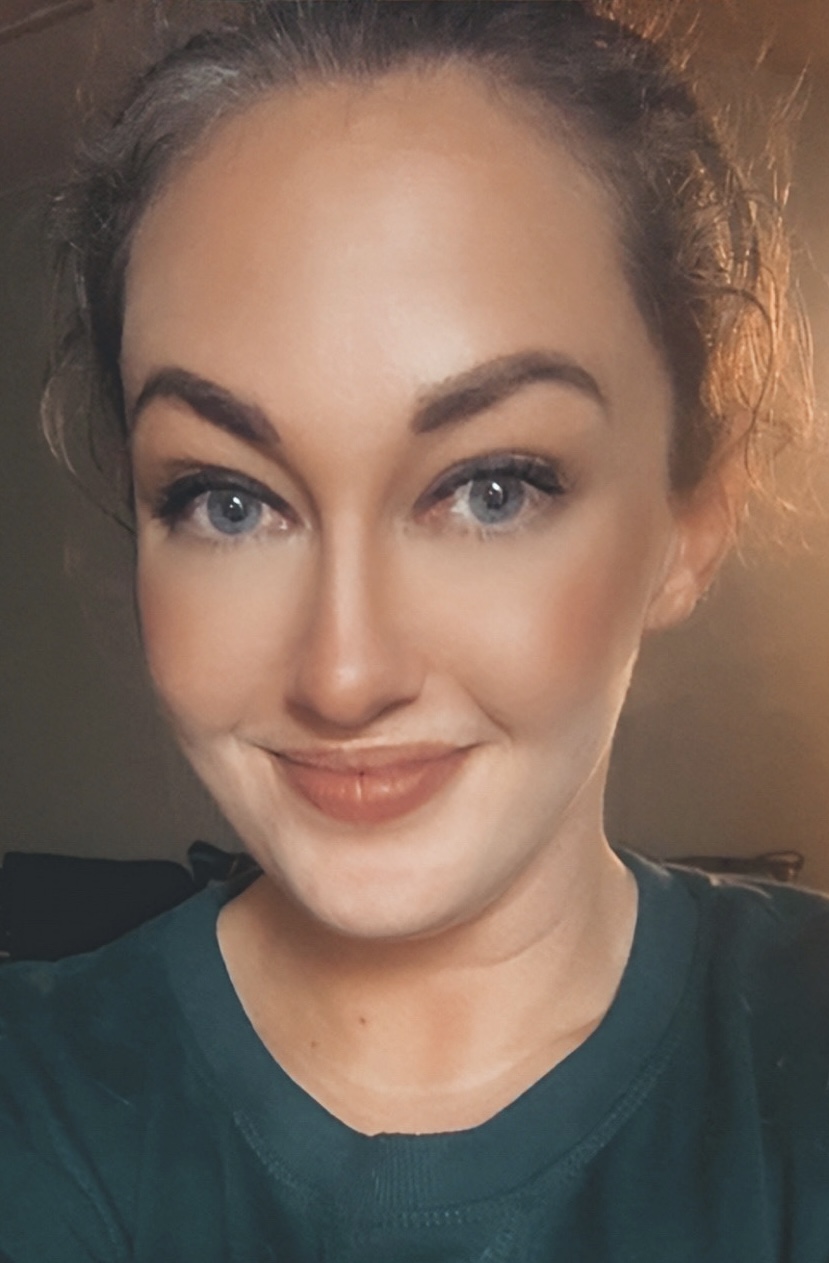
Rebecca Jean Mills
I have always believed that if something needs to be done and nobody else is doing it, then it may never get done unless someone is willing to try.
For me, that belief begins with curiosity: asking questions, looking at the world differently, and imagining what might be possible if we approached problems from a new perspective.
The ideas behind MII’s two flagship initiatives, RIVER and COMFI, began forming in my imagination when I was just seven years old. They have grown alongside a lifelong desire to understand the world around us, protect what makes it extraordinary, and explore ideas that could help people and the environment.
I do not come from a formal engineering or ecology background. My education includes a bachelor’s degree in Hospital Administration, with an emphasis on Community Outreach, and an associate degree in Architectural Concept Execution. I recognize the value of formal education, specialized training, and scientific expertise. I also believe that curiosity, persistence, critical thinking, and the courage to ask an unconventional question can be the beginning of something meaningful.
“The power of an idea should never be limited by a diploma.”
Potential is not measured by a transcript. It is revealed through curiosity, critical thinking, persistence, creativity, and what a person contributes to the world.
That belief is central to MII. I want to help create an environment where scientists, engineers, educators, environmental advocates, students, families, and everyday people can bring forward questions and ideas, learn from one another, and help explore what might be possible.
You do not need to arrive with all the answers. You need to be willing to ask thoughtful questions, listen, learn, and let evidence guide you.
A guiding philosophy“Learn from nature, not take over nature.”
Possibility deserves
careful investigation.
“Curiosity begins the journey. Evidence helps us understand where it leads.”
My goal is not to impose our ideas on nature or claim that imagination alone can solve complex problems. It is to learn from nature, understand the systems we depend on, and develop ideas that can withstand careful scrutiny. Good intentions are a starting point—not proof that a solution works. Research, expert review, testing, and independent evaluation are essential.
I especially believe children should be encouraged to remain curious. Their questions deserve to be taken seriously, and they should have opportunities to learn, explore, and participate in age-appropriate ways. The next important question or discovery might come from someone the world has not yet learned to listen to.